
Why Does My Toilet Keep Running? Causes, Repairs, and When to Call a Plumber in Camas, WA
Have you noticed your toilet constantly running, making a hissing noise, or randomly refilling long after you’ve flushed? A running toilet might seem like a minor inconvenience, but it can waste significant amounts of water and increase your monthly utility bills. For homeowners in Camas, Washington, understanding why a toilet won’t stop running is the first step toward preventing unnecessary water waste and identifying potential plumbing problems.
At Service Pro Plumbing, we provide professional toilet repair and plumbing services in Camas, WA, helping homeowners and businesses address running toilets, leaking fixtures, faulty fill valves, and other bathroom plumbing issues. Whether your toilet runs continuously, refills every few minutes, or requires you to jiggle the handle after flushing, our team can identify the underlying problem and recommend appropriate repairs.
In this guide, we’ll explain the most common causes of a running toilet, simple troubleshooting methods, signs that professional toilet repair is necessary, and when replacing an older toilet may be the better long-term solution.
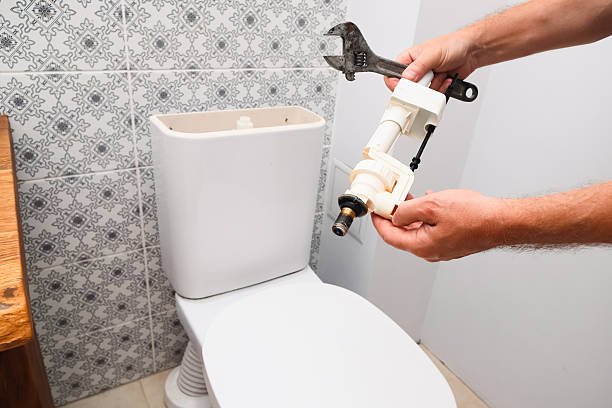
Why Does My Toilet Keep Running After Flushing?
A toilet should refill its tank after flushing and automatically stop once the water reaches the appropriate level. If the water continues running, one or more internal components may not be functioning correctly.
Most traditional residential toilets use several important components to control flushing and refilling:
- Toilet Flapper: A rubber or silicone seal that opens during flushing and closes to keep water inside the tank.
- Fill Valve: Controls the flow of fresh water into the toilet tank.
- Float: Signals the fill valve to stop when the tank reaches the correct water level.
- Overflow Tube: Directs excess tank water into the toilet bowl to prevent the tank from overflowing.
- Flush Chain: Connects the toilet handle to the flapper.
- Flush Handle: Activates the flushing mechanism.
When any of these components becomes worn, damaged, misaligned, or improperly adjusted, the toilet may continue using water even when nobody is flushing.
If you’re experiencing a toilet that keeps running in Camas, WA, identifying which component is malfunctioning can help determine whether a simple repair or professional plumbing service is necessary.
1. A Worn-Out or Damaged Toilet Flapper
One of the most common reasons a toilet keeps running is a worn or damaged flapper.
The flapper is located at the bottom of the tank and creates a seal over the flush valve opening. When you flush, the flapper lifts to release water into the bowl. Once the flush is complete, it should close tightly and prevent water from escaping.
Over time, toilet flappers can deteriorate, become warped, or develop mineral deposits that prevent a proper seal.
Signs Your Toilet Flapper Is Leaking
Common symptoms include:
- The toilet refills periodically without being flushed.
- You hear water trickling into the toilet bowl.
- The toilet runs for several minutes after flushing.
- Water slowly escapes from the tank into the bowl.
- Your water bill increases without an obvious explanation.
A leaking flapper can cause a toilet to cycle repeatedly as the fill valve replaces water escaping from the tank.
How to Fix a Leaking Toilet Flapper
In some cases, replacing a worn flapper is a straightforward repair.
However, the replacement must be compatible with the toilet’s flush valve design and properly installed to create an effective seal.
If a new flapper doesn’t resolve the problem, the flush valve seat or another internal component may be damaged.
At Service Pro Plumbing, our running toilet repair services in Camas, Washington, help identify faulty toilet components and restore reliable operation.
2. A Malfunctioning Toilet Fill Valve
Another common cause of a continuously running toilet is a faulty fill valve.
The fill valve allows fresh water to enter the tank after each flush. Once the water reaches the correct level, the valve should automatically stop filling.
When a fill valve becomes damaged, clogged, or worn out, it may fail to shut off completely.
Signs of a Bad Toilet Fill Valve
You may notice:
- Constant hissing or running water sounds.
- Water continuously entering the tank.
- The toilet taking unusually long to refill.
- Inconsistent tank water levels.
- Water flowing into the overflow tube.
- A toilet that continues running despite adjustments.
A malfunctioning fill valve can waste substantial amounts of water, especially when the toilet runs continuously.
Our professional toilet fill valve repair and replacement services in Camas, WA, can help resolve persistent water flow problems and restore proper tank operation.
3. The Toilet Float Is Set Too High
The float controls when the fill valve stops allowing water into the toilet tank.
If the float is adjusted too high, the tank may continue filling until water reaches the overflow tube.
When this happens, excess water flows directly into the toilet bowl, causing continuous running.
How to Check the Toilet Float
Carefully remove the toilet tank lid and observe the water level after flushing.
If water is spilling into the overflow tube, the float may be improperly adjusted or the fill valve may be malfunctioning.
Some toilet models allow homeowners to adjust the float using a built-in adjustment screw or mechanism.
However, different toilets use different fill valve designs. Always follow the manufacturer’s instructions rather than forcing unfamiliar components.
If adjustment doesn’t resolve the problem, professional toilet repair in Camas, Oregon, may be necessary to identify and replace damaged parts.
4. A Tangled or Improperly Adjusted Flush Chain
The flush chain connects the toilet handle to the flapper.
When you press the handle, the chain lifts the flapper and allows water to flow into the bowl.
If the chain is too short, it may prevent the flapper from closing completely.
If the chain is too long, it can become tangled underneath the flapper or interfere with its movement.
Common Flush Chain Problems
Signs include:
- The toilet continues running after flushing.
- The handle feels loose or sticks.
- You need to jiggle the handle to stop the water.
- The flapper does not close properly.
- The toilet occasionally flushes incompletely.
A simple chain adjustment may resolve the issue if the chain is the only problem.
However, if the handle mechanism, flapper, or flush valve assembly is damaged, replacing individual components may be necessary.
At Service Pro Plumbing, we provide toilet handle repair, flush valve repair, and residential toilet plumbing services in Camas, WA, helping homeowners address persistent flushing problems.
5. A Damaged Flush Valve or Overflow Tube
Sometimes the issue is more complicated than a worn flapper.
The flush valve assembly forms the connection between the tank and the bowl. If the valve seat becomes damaged, the flapper may no longer create a watertight seal.
Cracks or damage involving the overflow tube can also allow water to escape from the tank.
Signs of Flush Valve Problems
Common symptoms include:
- Continued running after replacing the flapper.
- Persistent water leakage into the bowl.
- Difficulty maintaining the correct tank water level.
- Visible cracks or deterioration around internal components.
- Repeated problems with the toilet’s flushing mechanism.
Replacing a flush valve can require removing the toilet tank and disconnecting plumbing components.
Improper installation can lead to leaks around the tank or damaged connections.
Our professional toilet repair services in Camas, Washington, include diagnosing defective flushing components and recommending appropriate repairs.
6. Mineral Deposits and Sediment Buildup
Mineral deposits and sediment can interfere with the movement and sealing of toilet components.
Over time, buildup may collect around the flapper, fill valve, or other internal mechanisms.
These deposits can prevent parts from moving freely or sealing properly.
Possible symptoms include:
- A toilet that intermittently runs.
- Slow or inconsistent tank refilling.
- Fill valves that stick.
- Reduced flushing performance.
- Water continuing to trickle into the bowl.
Water characteristics vary between properties, and mineral accumulation isn’t the cause of every running toilet.
If cleaning accessible components according to manufacturer instructions doesn’t resolve the problem, a plumber can determine whether replacement parts are needed.
Service Pro Plumbing offers residential plumbing inspections and toilet troubleshooting in Camas, WA, helping customers address fixture problems before they result in unnecessary water consumption.
How Much Water Can a Running Toilet Waste?
A constantly running toilet can waste far more water than many homeowners realize.
According to the U.S. Environmental Protection Agency’s WaterSense program, worn toilet flappers and malfunctioning fill valves are common causes of household water waste.
Even a small flapper leak can waste approximately 30 gallons of water per day, while a continuously running fill valve can waste much more, depending on the rate of flow.
For homeowners in Camas, this unnecessary consumption can contribute to higher water and sewer bills.
Why Running Toilets Should Be Repaired Promptly
Ignoring a running toilet can lead to:
- Higher monthly water bills.
- Thousands of gallons of unnecessary water usage.
- Increased wear on toilet components.
- Repeated toilet refilling and disruptive noise.
- More extensive repairs if other components deteriorate.
Even if the toilet still flushes normally, continuous or intermittent running usually indicates that the internal mechanisms need attention.
If you’re experiencing a constantly running toilet in Camas, WA, addressing the problem promptly can help reduce water waste and avoid unnecessary expenses.
How to Diagnose a Running Toilet at Home
Before scheduling professional plumbing services, there are several basic checks homeowners can perform.
Step 1: Remove the Toilet Tank Lid
Carefully lift the tank lid and place it on a stable surface.
Observe the water level and internal components without forcing or disconnecting any parts.
Step 2: Check the Overflow Tube
Look for water continuously flowing into the overflow tube.
If the water level is too high, the float adjustment or fill valve may be responsible.
Step 3: Inspect the Flapper
Check whether the flapper is sitting properly over the flush valve opening.
Look for visible deterioration, warping, or debris interfering with the seal.
Step 4: Examine the Flush Chain
Make sure the chain isn’t tangled or preventing the flapper from closing.
The chain should have sufficient slack to allow the flapper to seal after flushing.
Step 5: Perform a Toilet Dye Test
The EPA recommends a simple test to identify leaks between the toilet tank and bowl.
- Add a few drops of food coloring to the toilet tank.
- Do not flush.
- Wait approximately 10 minutes.
- Check whether colored water appears in the toilet bowl.
- Flush after the test to avoid staining.
If colored water appears in the bowl without flushing, water is escaping from the tank, often because of a faulty flapper or flush valve seal.
If you’re unable to identify the cause, Service Pro Plumbing provides toilet leak detection and repair services in Camas, WA, helping homeowners resolve problems with leaking or continuously running toilets.
Can You Fix a Running Toilet Yourself?
Some running toilet problems can be resolved with basic maintenance.
For example, homeowners who are comfortable following manufacturer instructions may be able to:
- Replace a compatible toilet flapper.
- Adjust an accessible flush chain.
- Correct a float setting.
- Remove visible debris from accessible components.
- Perform a toilet dye test.
However, not every running toilet issue is suitable for DIY repair.
Replacing fill valve assemblies, repairing damaged flush valve components, or addressing leaking supply connections may require professional plumbing expertise.
If you’re unsure how a component works, avoid forcing parts or overtightening plastic connections.
Improper repairs can cause new leaks or damage the toilet.
When Should You Call a Plumber for a Running Toilet?
A running toilet isn’t always an emergency, but persistent problems should be addressed before they waste significant amounts of water.
Consider calling a professional toilet repair plumber in Camas, WA, when:
- The toilet continues running after replacing the flapper.
- The fill valve won’t shut off.
- Water continuously flows into the overflow tube.
- The toilet randomly refills throughout the day.
- Several toilet components appear worn or damaged.
- The toilet leaks externally around the tank or supply line.
- You notice cracks in the tank or bowl.
- The shutoff valve is damaged or difficult to operate.
- The toilet requires frequent repairs.
If water is leaking onto the floor, shut off the toilet’s water supply when safe and arrange prompt plumbing service.
When a toilet is overflowing or significant water damage is occurring, immediate attention may be necessary.
At Service Pro Plumbing, we help homeowners and businesses address running toilets, leaking toilets, malfunctioning fill valves, and bathroom plumbing repairs in Camas, Washington.
Running Toilet Repair vs. Toilet Replacement: Which Is Better?
Not every running toilet needs to be replaced.
Many problems involving flappers, chains, floats, and fill valves can be resolved by replacing individual components.
However, replacing an older toilet may make sense in certain situations.
When Toilet Repair Is Usually Appropriate
Repair may be the practical choice when:
- The toilet bowl and tank are in good condition.
- The problem involves one or two replaceable components.
- The toilet flushes effectively.
- Replacement parts are readily available.
- The toilet hasn’t required repeated repairs.
When Toilet Replacement May Be Worth Considering
Replacement may be appropriate when:
- The porcelain tank or bowl is cracked.
- Multiple internal components continue failing.
- The toilet experiences recurring leaks.
- The fixture is outdated and inefficient.
- Repairs are becoming frequent or costly.
- You’re planning a bathroom plumbing upgrade.
Modern WaterSense-labeled toilets use less water than many older models while meeting EPA performance requirements.
The EPA estimates that replacing older inefficient toilets with WaterSense-labeled models can reduce toilet water consumption by 20% to 60% for an average household.
Our toilet replacement and installation services in Camas, WA, help homeowners evaluate available fixture options and make informed decisions.
How to Prevent Your Toilet From Running Again
Routine maintenance can help reduce the likelihood of recurring toilet problems.
Consider these preventive steps:
Inspect Toilet Components Periodically
Check the flapper, flush chain, fill valve, and tank water level for signs of wear or malfunction.
Perform an Occasional Dye Test
Testing the toilet for hidden leaks can help identify water loss before it becomes noticeable.
Replace Worn Flappers
Toilet flappers deteriorate over time.
The EPA recommends replacing flappers periodically, generally at least every five years, to help maintain proper sealing.
Avoid Forcing the Flush Handle
If the handle becomes stiff or requires repeated movement, investigate the mechanism rather than applying additional force.
Address Small Leaks Promptly
Minor leaks may gradually increase water consumption or contribute to other fixture problems.
Schedule Plumbing Repairs When Needed
If your toilet repeatedly malfunctions, a professional inspection can help identify underlying problems and prevent unnecessary replacement of unrelated components.
Why Choose Service Pro Plumbing for Toilet Repair in Camas, WA?
At Service Pro Plumbing, we understand that a running toilet is more than an annoying sound. It can waste water, increase utility costs, and interfere with your daily routine.
Our team provides professional toilet repair, toilet replacement, leak detection, plumbing fixture repair, and residential plumbing services in Camas, Washington.
Whether the problem involves a damaged flapper, faulty fill valve, broken flush mechanism, or aging toilet, we focus on diagnosing the cause and recommending repairs that fit the condition of the fixture.
We serve homeowners and businesses throughout Camas, including established residential neighborhoods and newer developments where plumbing fixtures may have different designs and maintenance needs.
From replacing worn toilet components to installing a new bathroom fixture, Service Pro Plumbing is committed to providing dependable plumbing solutions and clear communication throughout the repair process.
Schedule Professional Running Toilet Repair in Camas, WA
A continuously running toilet can waste water, increase utility bills, and create unnecessary frustration.
Whether your toilet runs constantly, randomly refills, makes a hissing sound, or requires repeated handle adjustments, identifying the underlying problem can help restore normal operation.
At Service Pro Plumbing, we provide professional running toilet repair, toilet leak detection, fill valve replacement, toilet installation, and bathroom plumbing services in Camas, Washington.
Need a plumber for a running toilet in Camas, WA? Contact Service Pro Plumbing to request an inspection and discuss your toilet repair needs.
Frequently Asked Questions About Running Toilet Repair in Camas, WA
A toilet that continues running after flushing may have a worn flapper, faulty fill valve, improperly adjusted float, or tangled flush chain. These problems can prevent the tank from sealing or refilling correctly. If you’re experiencing a toilet that won’t stop running in Camas, WA, Service Pro Plumbing can inspect the internal components and determine which repairs are necessary.
A toilet that refills by itself may have a slow leak between the tank and bowl, sometimes called ghost flushing. A worn flapper or damaged flush valve seal can allow water to escape until the fill valve turns on again. Our toilet leak repair services in Camas, Washington, help identify the source of intermittent running and restore proper operation.
A running toilet isn’t always an emergency, but it can waste substantial amounts of water if left unresolved. If the toilet is simply leaking internally, you may be able to turn off its water supply temporarily and schedule a repair. However, an overflowing toilet, damaged supply connection, or active water leak onto the floor requires more urgent attention. Service Pro Plumbing provides toilet repair and emergency plumbing services in Camas, WA, for appropriate situations.
The cost of running toilet repair in Camas, Washington, depends on the cause of the problem, replacement parts, labor, and condition of the existing fixture. Replacing a flapper or adjusting a chain is generally less involved than replacing a fill valve assembly, flush valve, or entire toilet. At Service Pro Plumbing, our team can evaluate the fixture and recommend an appropriate solution based on the repairs needed.
If your toilet is in good condition and only has a worn flapper, float, or fill valve, repair is often the most practical option. Replacement may make more sense if the toilet has cracks, repeated mechanical problems, or an outdated design that uses excessive water. Our toilet repair and toilet replacement services in Camas, WA, help homeowners compare repair options with new fixture installation based on their needs.