How to Identify a Broken or Collapsed Sewer Line in Longview, WA
A damaged sewer line can begin with relatively minor plumbing problems and eventually develop into a much more serious issue. Slow drains, recurring backups, unusual odors, or soggy areas in the yard may seem unrelated at first, but they can all indicate that a home’s main sewer line is damaged, cracked, blocked, or beginning to collapse.
For homeowners in Longview, Washington, identifying sewer line problems early is especially important. Older plumbing systems, tree roots, shifting soil, corrosion, and years of normal wear can all affect underground sewer pipes. Because the main sewer line is buried beneath the property, damage can continue developing without being visible from inside the home.
Service Pro Plumbing provides professional sewer line repair in Longview, WA, helping homeowners diagnose sewer problems and determine the appropriate repair. If you’re wondering whether you’re dealing with an ordinary clog or something more serious, these are some of the most common signs of a broken or collapsed sewer line.
What Is a Collapsed Sewer Line?
Your home’s main sewer line carries wastewater from toilets, sinks, showers, tubs, washing machines, and other plumbing fixtures away from the property. When that pipe becomes damaged, wastewater may no longer flow through the system correctly.
A sewer pipe can crack without completely failing. In more severe situations, a portion of the pipe can deform or collapse, significantly restricting or completely blocking wastewater flow.
A collapsed sewer line in Longview can result from several factors, including aging pipes, corrosion, tree-root intrusion, shifting soil, improper installation, or deterioration of older pipe materials.
Once a pipe has physically failed, repeatedly clearing the line may temporarily restore drainage but won’t repair the damaged section. Determining the actual condition of the sewer line is therefore an important part of finding a long-term solution.
1. Multiple Drains Are Backing Up
One of the biggest warning signs of a main sewer line problem is when multiple plumbing fixtures begin backing up at the same time.
A clogged bathroom sink may simply have a blockage in that fixture’s drain. However, if toilets, showers, tubs, and floor drains throughout the house are experiencing problems, the blockage may be farther downstream in the main sewer line.
You might notice a toilet bubbling when another fixture drains, water appearing in a shower after flushing a toilet, or wastewater backing up through a lower-level drain.
These symptoms don’t automatically mean the sewer pipe has collapsed, but they are a strong reason to have the main line inspected.
If you’re experiencing sewer backups in Longview, WA, avoiding unnecessary water use until the problem is evaluated can also reduce the amount of wastewater entering an already restricted system.
2. Your Sewer Line Keeps Clogging
An occasional clogged drain isn’t unusual. A sewer line that repeatedly needs to be cleared is a different situation.
If you’ve had the main sewer line cleaned only for the same blockage to return, there may be an underlying structural problem. A cracked, offset, deteriorated, or partially collapsed pipe can create an area where waste and debris repeatedly collect.
Tree roots can create similar problems. Roots can enter through joints or damaged portions of underground sewer piping and continue growing inside the line, restricting wastewater flow.
Repeated drain cleaning may remove the immediate blockage without addressing the damaged pipe responsible for creating it.
For homeowners repeatedly searching for sewer drain cleaning in Longview, a sewer camera inspection may provide more useful information about why the problem keeps returning.
3. Slow Drains Throughout the House
One slow drain usually points toward a localized plumbing problem. Multiple slow drains can indicate something more significant.
When the main sewer line becomes restricted, wastewater from different areas of the home has difficulty leaving the property. You may notice that toilets flush slowly, showers take longer to drain, or water sits in sinks before gradually disappearing.
A partially collapsed sewer pipe can still allow some wastewater to pass, which means you may experience slow drainage before a complete backup occurs.
This is one reason early sewer line inspection in Longview, WA can be valuable. Finding a developing problem before the pipe becomes completely obstructed may help prevent a more disruptive sewage backup.
4. Gurgling or Bubbling Toilets
Your toilet can sometimes provide an early warning that something isn’t right farther down the drainage system.
Gurgling noises or bubbles appearing in the toilet when another fixture drains can indicate that air isn’t moving normally through the plumbing system. A blockage or restriction can interfere with normal wastewater and airflow.
You may notice the toilet bubbling when the washing machine drains, when someone takes a shower, or when a sink empties.
There are multiple plumbing problems that can cause gurgling, so this symptom alone doesn’t confirm a broken sewer line. However, when gurgling occurs alongside slow drains, recurring clogs, or backups, the main sewer line should be considered.
5. Sewer Odors Inside or Outside Your Home
A properly functioning drainage system should keep sewer gases contained.
Persistent sewage odors inside your home, around floor drains, in the basement, or outside near the sewer line can indicate a plumbing problem that needs investigation.
A cracked underground sewer pipe may allow wastewater or sewer gases to escape into the surrounding soil. Inside the home, odors can also originate from dry traps or other plumbing issues, so determining the source is important.
If you’re noticing persistent sewer smells in your Longview home, especially alongside drainage problems, professional inspection can help determine whether the main sewer line is involved.
6. Unusually Green or Soggy Areas in the Yard
Some of the most important signs of sewer line damage may appear outside rather than inside your home.
A broken underground sewer line can release wastewater into the surrounding soil. This may create unusually wet, soft, or sunken areas along the path of the sewer line.
You may also notice an isolated section of grass growing faster or appearing greener than the surrounding lawn. Wastewater leaking underground can introduce moisture and nutrients into the soil, potentially creating visible changes above the damaged pipe.
A soggy area doesn’t automatically mean you have a sewer leak. Irrigation problems, groundwater, drainage issues, and leaking water lines can produce similar symptoms.
However, unexplained wet soil combined with sewer odors or indoor drainage problems deserves attention from a Longview sewer line plumber.
7. Sewage Is Backing Up Into Your Home
A sewage backup is one of the clearest signs that wastewater cannot move normally through the drainage system.
Backups commonly appear at the lowest available drain because wastewater follows the easiest path when it cannot continue through the sewer line. Depending on the home’s layout, this could be a shower, bathtub, basement drain, or another low fixture.
If sewage begins entering the home, stop using water whenever possible. Flushing toilets, running washing machines, taking showers, and using sinks can send additional wastewater toward the blockage.
A backup doesn’t necessarily prove that the pipe has collapsed. Severe clogs, root intrusion, and other restrictions can produce similar symptoms. However, recurring or severe backups warrant professional sewer line inspection in Longview.
8. There Are Sinkholes or Depressions in the Yard
A damaged underground sewer line can sometimes affect the soil surrounding the pipe.
If wastewater continually escapes from a broken section, the surrounding ground may become saturated or eroded. Over time, this can potentially contribute to depressions or unusual settling above the sewer line.
Any new sinkhole or significant ground movement should be taken seriously because underground utilities, drainage problems, or other conditions may be involved.
For a sewer line, the concern is especially significant when ground changes occur alongside sewage odors, unusually wet soil, recurring backups, or drainage problems inside the home.
9. Drain Cleaning Isn't Fixing the Problem
Drain cleaning is an effective solution when the problem is simply an obstruction that can be removed from an otherwise functional pipe.
It cannot repair a physically broken pipe.
If a sewer line has cracked, separated, developed significant root intrusion, or partially collapsed, cleaning the line may restore some flow without eliminating the structural problem.
This distinction is important for homeowners deciding between sewer cleaning and sewer line repair in Longview, WA.
If you’ve already paid to have the sewer cleaned several times and the same problem continues returning, ask whether a sewer camera inspection is appropriate. Understanding the physical condition of the pipe can help determine why blockages continue developing.
10. Your Home Has Older Sewer Pipes
Older homes can have sewer systems constructed from materials that behave differently from modern piping.
Depending on the age and construction of the property, older sewer lines may become vulnerable to corrosion, deterioration, joint movement, root intrusion, or other forms of damage over time.
Age alone doesn’t mean your sewer line needs replacement. Many older sewer systems continue functioning properly. However, the age and material of the pipe become more important when you’re also experiencing recurring backups, slow drains, root problems, or other warning signs.
A sewer camera inspection in Longview, Washington can help evaluate the actual condition of the line instead of replacing a pipe simply because it is old.
How Does a Plumber Find a Broken Sewer Line?
Because the main sewer pipe is underground, diagnosing the problem often requires looking inside the line.
A sewer camera inspection involves inserting specialized video equipment into the drainage system so a plumber can examine accessible portions of the pipe. Depending on conditions, the inspection may reveal cracks, root intrusion, separated connections, severe buildup, damaged pipe sections, or areas where the line has become deformed or collapsed.
This information helps distinguish between a blockage that may be cleared and structural damage that requires repair.
For homeowners experiencing recurring problems, sewer camera inspection in Longview, WA can provide valuable information before deciding on a larger sewer repair or replacement project.
Tree Roots and Sewer Line Damage in Longview
Tree roots are another potential cause of underground sewer problems.
Roots naturally grow toward available sources of moisture. If an older sewer line develops a crack, loose joint, or other opening, roots may enter the pipe and continue growing inside it.
Over time, root intrusion can restrict wastewater flow and create areas where toilet paper and other material collect. This can lead to increasingly frequent clogs and backups.
Removing roots can restore flow in some circumstances, but significant root intrusion may indicate that the pipe itself has been compromised. If roots continue returning, the underlying sewer line may need repair.
Professional sewer line services in Longview can help determine whether root removal is sufficient or whether the damaged section of pipe requires a more permanent solution.
Broken Sewer Line vs. Clogged Sewer Line
One of the most important parts of diagnosing sewer problems is determining whether the line is simply clogged or physically damaged.
A clog may result from accumulated waste, grease, foreign objects, roots, or other material restricting the pipe. Once the obstruction is removed, an otherwise healthy pipe may return to normal operation.
A broken sewer line has a structural problem. The pipe itself may be cracked, separated, deteriorated, offset, or collapsed.
The symptoms can be very similar, which is why homeowners shouldn’t assume that every backup means they need sewer replacement—or that every recurring clog can be solved permanently with another cleaning.
Inspection allows the condition of the pipe to guide the repair recommendation.
Can a Collapsed Sewer Line Be Repaired?
The appropriate repair depends on the location, severity, and extent of the damage.
Some sewer line problems may involve a relatively limited section of pipe that can be repaired. More extensive deterioration or collapse may require replacing a larger portion of the sewer line.
Accessibility also matters. Sewer pipes can run beneath yards, landscaping, driveways, sidewalks, and other improvements, which can affect how repairs are approached.
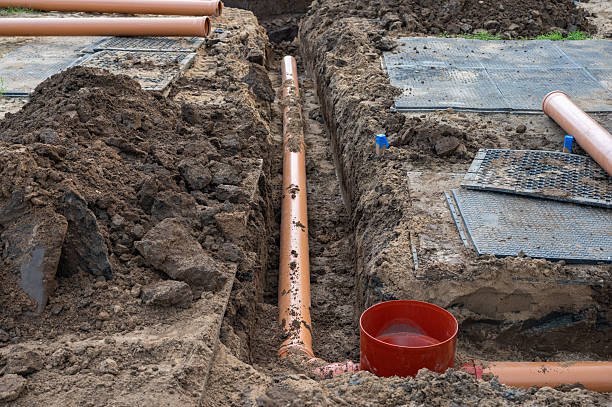
Depending on the property and condition of the pipe, traditional excavation or other sewer repair methods may be considered.
A professional sewer line repair company in Longview should first determine what has actually happened to the pipe and then explain the available repair options.
Don't Wait for a Complete Sewer Backup
Sewer line problems rarely become more convenient with time.
If you’re already experiencing multiple slow drains, recurring clogs, gurgling toilets, sewage odors, or unexplained wet areas outside, having the problem investigated can help you understand what’s happening before wastewater begins backing up into the home.
Early diagnosis is particularly important when a pipe is damaged but still allowing some wastewater to pass. A partially collapsed line may initially appear to be an ordinary slow drain before the remaining opening becomes obstructed.
Addressing the underlying problem can also help prevent repeated emergency drain-cleaning calls without resolving the cause.
Sewer Line Repair in Longview, WA
If you’re experiencing recurring sewer backups, slow drains throughout your home, gurgling toilets, sewer odors, unusual wet areas in your yard, or other signs of a damaged sewer pipe, the next step is determining what’s actually happening underground.
Service Pro Plumbing provides professional sewer line repair in Longview, WA, along with sewer camera inspections, sewer line diagnostics, drain cleaning, sewer repair, and plumbing services for homeowners throughout Longview and surrounding Cowlitz County communities.
If you’re searching for sewer line repair near me, a sewer plumber in Longview, sewer camera inspection in Longview, WA, broken sewer pipe repair, or help with a collapsed sewer line in Longview, Service Pro Plumbing can evaluate the problem and explain the appropriate repair options.
A recurring sewer problem shouldn’t automatically mean replacing the entire line, but it also shouldn’t be repeatedly treated as a simple clog without determining why the problem keeps returning. Identifying whether the sewer is clogged, cracked, root-damaged, deteriorated, or collapsed is the first step toward choosing the right long-term solution.
FAQ's
Common signs include recurring backups, multiple slow drains, gurgling toilets, sewer odors, soggy yard areas, and repeated clogs.
A sewer camera inspection can identify cracks, root intrusion, separated joints, severe deterioration, or sections of pipe that have collapsed.
Yes. Depending on the damage and location, a plumber may repair a section of the pipe or recommend replacing a larger portion of the sewer line.
Call a plumber when backups keep returning, multiple drains are slow, sewage odors persist, or drain cleaning only provides temporary relief.