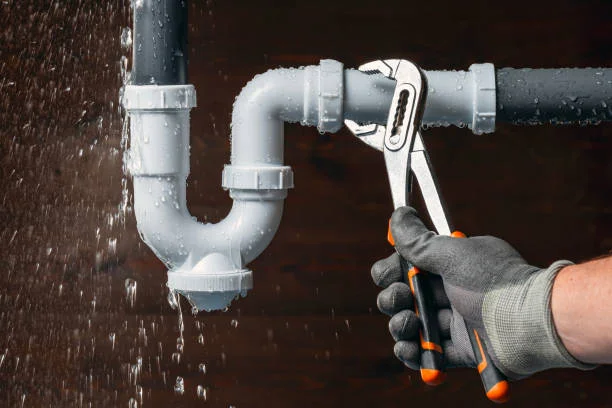
.If your home has aging, corroded, or frequently leaking pipes, repiping may be the most cost-effective long-term solution. While repairing individual leaks can address immediate problems, older plumbing systems often continue to develop new issues over time. A whole-home repipe replaces outdated piping with modern materials designed to improve reliability, water quality, and plumbing performance.
One of the most common questions homeowners ask is, “What material is best for repiping my home?” The answer depends on your home’s plumbing system, budget, water quality, and long-term goals. Understanding the advantages of today’s most common piping materials can help you make an informed decision.
If you’re considering a repipe in Longview, Washington, this guide explains the most popular options and how professional plumbers determine the best choice for your home.
When Does a Home Need Repiping?
Repiping is often recommended when plumbing problems become frequent or widespread rather than isolated.
Common signs your home may need repiping include:
- Frequent pipe leaks
- Rust-colored or discolored water
- Low water pressure
- Corroded or aging pipes
- Water with a metallic taste
- Visible pipe corrosion
- Plumbing systems over 40–50 years old
- Recurring repairs that continue to increase in cost
While individual pipe repairs can solve isolated issues, homes with older galvanized steel or deteriorating plumbing often benefit more from replacing the system altogether.
Common Materials Used for Home Repiping
Modern plumbing systems are typically installed using one of two primary materials: PEX or copper. Each offers unique benefits depending on the home’s needs.
PEX (Cross-Linked Polyethylene)
PEX has become one of the most popular repiping materials in residential plumbing due to its flexibility, durability, and cost-effectiveness.
Benefits of PEX include:
- Flexible tubing requires fewer fittings
- Faster installation than rigid piping
- Resistant to corrosion
- Resistant to scale buildup
- Handles freezing conditions better than rigid pipe
- Quiet water flow
- Lower installation costs in many homes
Because PEX can often be routed through walls and ceilings with fewer access openings, installation may be less invasive than traditional piping materials.
For many homeowners in Longview, PEX offers an excellent combination of performance and affordability.
Copper Pipe
opper has been used in residential plumbing for decades and continues to be a trusted option.
Advantages include:
- Long service life
- Excellent durability
- High heat resistance
- Naturally resistant to ultraviolet light
- Proven long-term performance
- Recyclable material
Copper remains an excellent choice for many homes, particularly when durability and longevity are top priorities.
However, copper installations typically require more labor and may cost more than PEX due to material prices and installation complexity.
What About CPVC?
CPVC (Chlorinated Polyvinyl Chloride) is another plumbing material sometimes used in residential applications.
Benefits include:
- Corrosion resistance
- Lower material cost than copper
- Suitable for hot and cold water lines
However, CPVC is more rigid than PEX and may become brittle as it ages. For this reason, many homeowners and plumbers prefer PEX or copper for whole-home repiping projects.
Factors That Help Determine the Best Repiping Material
Every home is different, and the ideal piping material depends on several considerations.
A professional plumber will evaluate:
Age of the Home
Older homes may have limited wall space or existing plumbing layouts that make one material more practical than another.
Water Quality
Water chemistry can influence the long-term performance of plumbing materials.
Understanding local water conditions in Longview helps plumbers recommend materials that provide lasting reliability.
Budget
Both PEX and copper provide excellent plumbing performance, but installation costs may vary depending on material prices and labor requirements.
A licensed plumber can explain the advantages of each option based on your budget and long-term goals.
Accessibility
The layout of your home’s plumbing system affects installation complexity.
Flexible piping systems may reduce the amount of drywall removal needed during repiping.
What Happens During a Whole-Home Repipe?
Although every project is unique, a typical repiping process includes:
- Inspecting the existing plumbing system
- Designing the new piping layout
- Installing new water supply lines
- Connecting fixtures
- Pressure testing the system
- Flushing the new plumbing
- Removing abandoned piping when appropriate
- Restoring water service
Professional plumbers work to minimize disruption while ensuring the new plumbing system meets current building codes.
Benefits of Repiping Your Home
Replacing outdated plumbing offers several long-term advantages.
Many homeowners experience:
- More consistent water pressure
- Improved water quality
- Fewer plumbing repairs
- Reduced risk of future leaks
- Increased plumbing reliability
- Better flow to multiple fixtures
- Greater peace of mind
Repiping can also increase a home’s value by replacing aging infrastructure with modern plumbing materials.
Should You Repair or Repipe?
If you’ve experienced one isolated leak, repairing that section may be the most practical solution.
However, if leaks continue to occur in multiple locations, repeatedly repairing old pipes can become more expensive than replacing the system.
A professional plumbing inspection can determine whether repairs or repiping provide the best long-term value.