Watch for a sudden spike in your water bill, the sound of running water when everything’s off, warm or damp spots on the floor, and cracks in your flooring or foundation.
Call Us Today!
360-857-0999
A slab leak is one of the most concerning plumbing issues a homeowner or business owner can face. Because the leak occurs beneath a concrete foundation, many people assume repairing it requires tearing up floors or extensive demolition. Fortunately, advances in leak detection technology and modern plumbing repair methods allow professional plumbers to repair many slab leaks with minimal disruption to your property.
If you own a home or commercial building in Longview, WA, understanding how professional plumbers diagnose and repair slab leaks can help you act quickly before a small problem becomes an expensive structural issue.
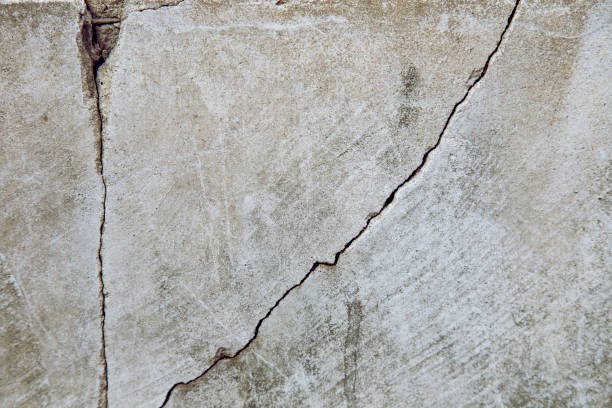
A slab leak occurs when a water supply line or, in some cases, a drain line develops a leak beneath the concrete slab foundation of a building. Since the plumbing is hidden under several inches of concrete, these leaks often go unnoticed until they begin causing visible damage.
Slab leaks may develop due to:
Regardless of the cause, early detection is essential to minimize damage and reduce repair costs.
Many slab leaks begin with subtle symptoms that homeowners may overlook.
Common warning signs include:
If you notice any of these signs, contacting a licensed plumber as soon as possible can prevent additional damage to your home’s foundation and interior.
Modern leak detection rarely involves guessing where the leak is located. Instead, professional plumbers use specialized equipment to accurately pinpoint the source before any repairs begin.
Sensitive acoustic listening devices allow plumbers to hear the sound of pressurized water escaping from underground pipes.
This technology significantly reduces unnecessary demolition by locating the leak with precision.
Water lines can be isolated and pressure tested to determine whether a leak exists and identify which plumbing system is affected.
Infrared cameras help identify temperature differences beneath flooring caused by leaking hot water lines.
Thermal imaging provides valuable information without removing flooring or concrete.
For drain lines, waterproof inspection cameras allow plumbers to examine the inside of pipes and locate cracks, separations, or blockages.
This technology provides a clear view of the plumbing system while avoiding unnecessary excavation.
Once the leak has been located, professional plumbers determine the most effective repair method based on the pipe material, age of the plumbing system, and extent of the damage.
If the leak is isolated and the surrounding plumbing is in good condition, a plumber may access a small section of concrete directly above the damaged pipe.
Because leak detection is highly accurate, only a limited area of flooring and concrete typically needs to be opened.
This approach is often appropriate for newer plumbing systems with a single damaged section.
Rather than opening large portions of the slab, plumbers may install a new water line through walls, ceilings, or attic spaces while abandoning the damaged section beneath the foundation.
Pipe rerouting often eliminates future problems associated with aging underground pipes.
If multiple leaks are present or the plumbing system has reached the end of its useful life, replacing larger sections—or the entire affected piping system—may be the most cost-effective long-term solution.
Although this involves a greater upfront investment, it often prevents repeated repairs.
Depending on the type of piping and location of the leak, some situations allow plumbers to use trenchless repair techniques that minimize excavation and disruption.
Not every slab leak qualifies for trenchless repair, but when appropriate, it can significantly reduce restoration work.
The key to avoiding unnecessary demolition is accurate diagnosis.
Professional leak detection helps:
Without specialized equipment, locating a leak often becomes a process of trial and error that can increase both costs and property damage.
Even a small leak beneath your foundation can create significant problems over time.
Untreated slab leaks may contribute to:
Prompt repairs help protect both your plmbing system and your property’s long-term value
Slab leak repairs require specialized training, advanced diagnostic equipment, and experience working with underground plumbing systems.
When selecting a plumbing company, look for one that offers:Advanced electronic leak detection
An experienced plumber can accurately diagnose the problem and recommend the repair option that provides the best balance of cost, durability, and minimal disruption.
A slab leak doesn’t have to mean extensive demolition or weeks of construction inside your home. With today’s leak detection technology and modern repair methods, many slab leaks can be repaired efficiently while minimizing damage to your floors and foundation.
At Service Pro Plumbing, we provide professional slab leak detection and repair services for homeowners and businesses throughout Longview, WA, as well as Kelso, Castle Rock, Rainier, Kalama, Woodland, and surrounding communities. Our experienced plumbers use advanced equipment to accurately locate leaks, explain your repair options, and complete the job with as little disruption as possible.
Whether you’ve noticed unusually high water bills, damp floors, or signs of water beneath your foundation, our team is ready to help you protect your home with fast, reliable slab leak repair.
Contact Service Pro Plumbing today to schedule professional slab leak detection in Longview, Washington.
Watch for a sudden spike in your water bill, the sound of running water when everything’s off, warm or damp spots on the floor, and cracks in your flooring or foundation.
Not usually. With accurate leak detection (acoustic sensors, thermal imaging, pressure testing), plumbers can often pinpoint the exact spot and do a small spot repair, reroute the pipe through walls or attic space, or use trenchless methods — avoiding major demolition.
Plumbers use electronic acoustic listening devices, pressure testing to isolate affected lines, thermal imaging to spot temperature differences under flooring, and video camera inspections for drain lines.
It can lead to foundation movement, concrete deterioration, mold growth, damaged flooring and walls, higher water bills, and long-term structural settlement — so early repair matters.